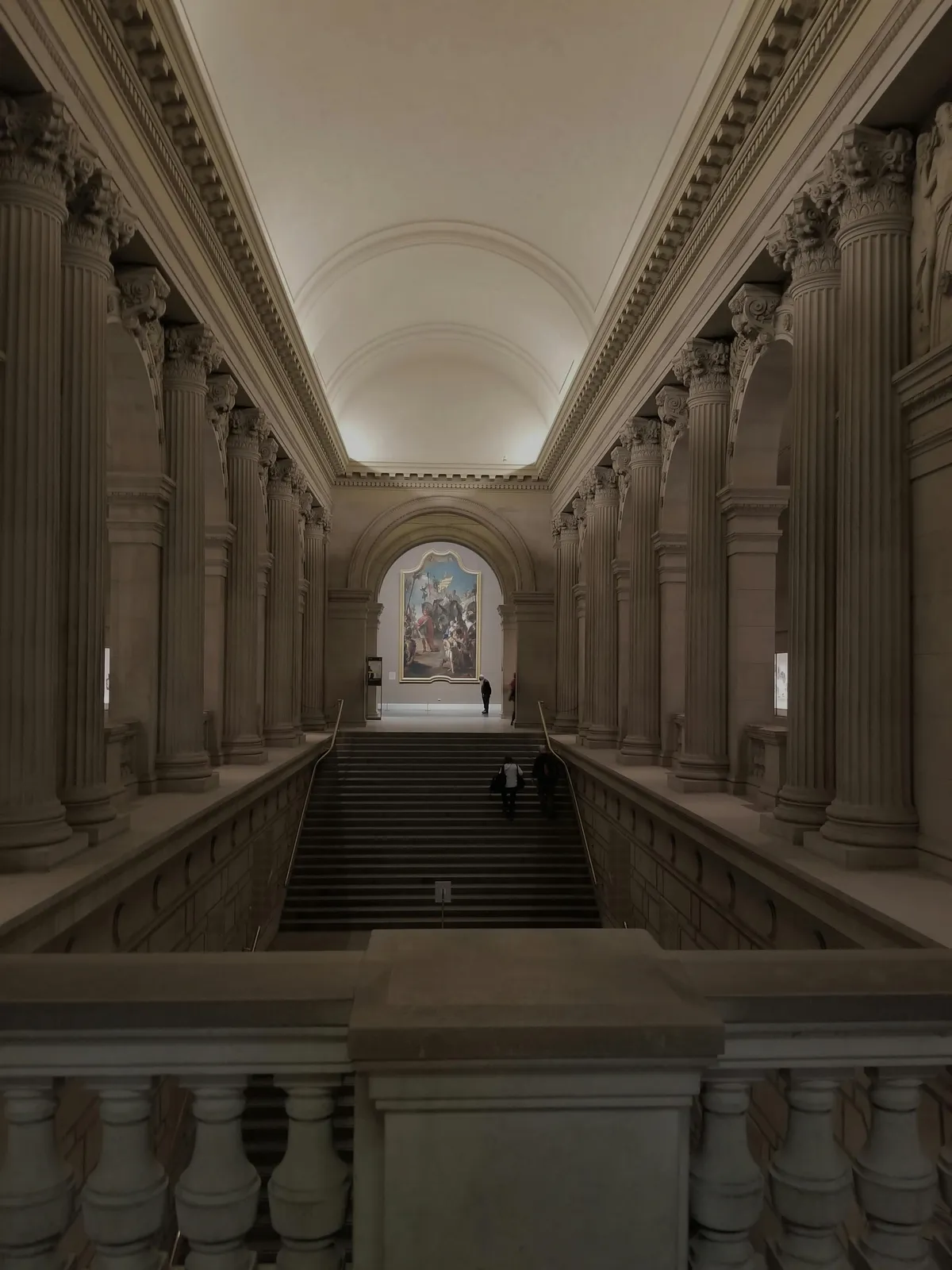
The Timeless Beauty of Renaissance Art
The Renaissance was one of the most influential periods in the history of art. Emerging in Florence during the 14th century, it marked a cultural rebirth that transformed painting, sculpture, architecture, and human thought across Italy and later throughout Europe.
What Was Renaissance Art?
Renaissance art focused on realism, balance, and the beauty of the human experience. Artists moved away from the flat and symbolic style of the medieval period and began studying anatomy, perspective, light, and nature. Their goal was to create works that looked lifelike and emotionally powerful.
The movement was deeply connected to humanism, a philosophy that emphasized human potential, knowledge, and achievement.
Key Characteristics of Renaissance Art
Realism and Human Anatomy
Renaissance artists carefully studied the human body to create accurate proportions and natural poses. This gave paintings and sculptures a new sense of life and movement.
Light and Shadow
Painters experimented with shading techniques such as chiaroscuro to create dramatic contrasts between light and darkness.
Classical Inspiration
Many Renaissance works were inspired by ancient Greek and Roman mythology, philosophy, and architecture.
Famous Renaissance Artists
Leonardo da Vinci
Known for masterpieces such as the Mona Lisa and The Last Supper, Leonardo combined artistic talent with scientific observation.
Michelangelo
Michelangelo created iconic works including the sculpture David and the ceiling paintings of the Sistine Chapel.
Raphael
Raphael became famous for harmonious compositions and elegant figures, especially in The School of Athens.
Why Renaissance Art Still Matters
Renaissance art continues to influence modern artists, designers, filmmakers, and architects. Museums around the world attract millions of visitors who admire the technical mastery and emotional depth of these works.
More importantly, the Renaissance changed how people viewed humanity itself. Art became not only a religious tool but also a celebration of curiosity, creativity, and individual achievement.
Conclusion
The Renaissance was far more than an artistic movement — it was a revolution in culture and thought. Through realism, scientific observation, and classical inspiration, Renaissance artists created works that still define beauty and artistic excellence today.