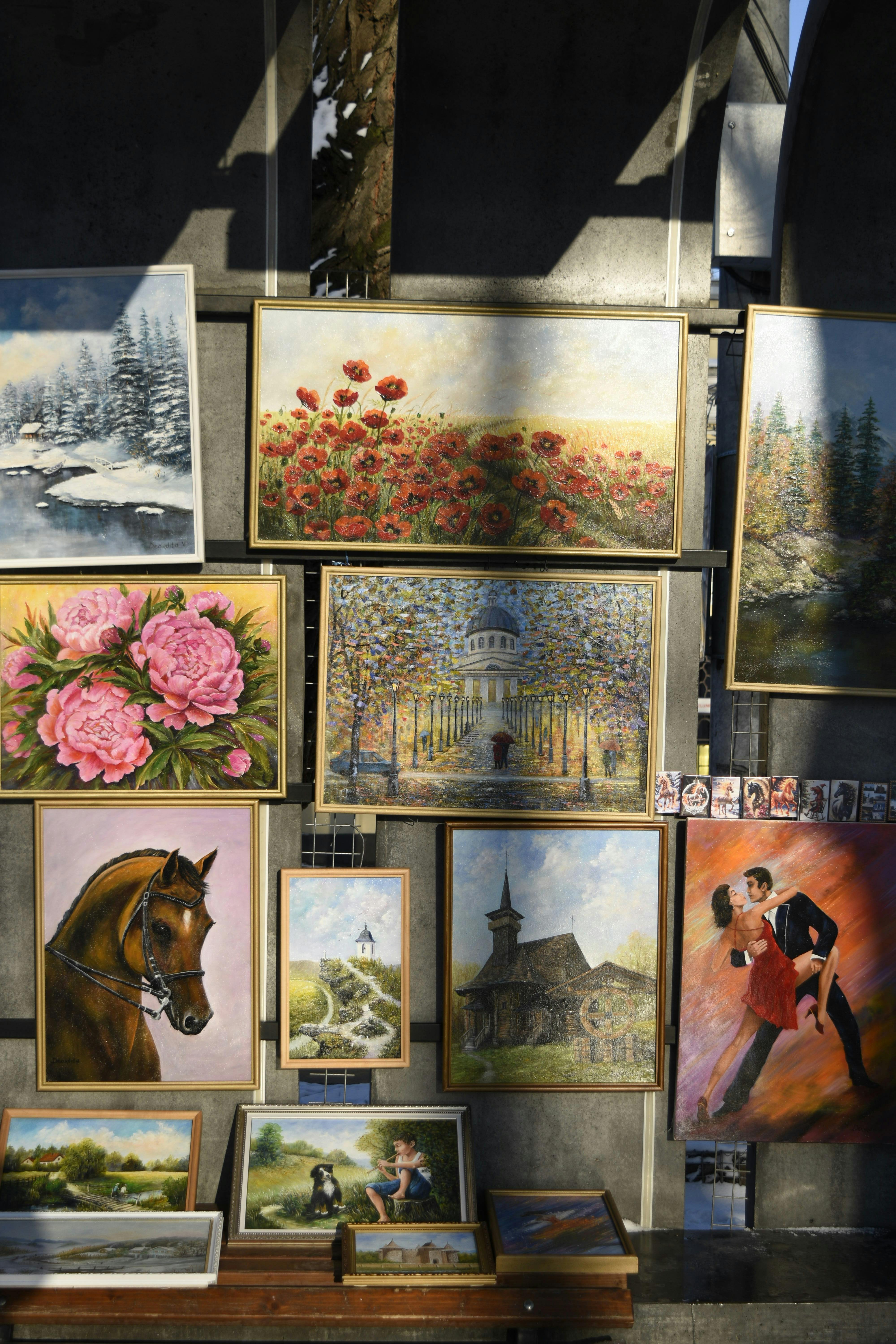
Realism Art: Capturing Everyday Life
Realism was an art movement that emerged in France during the mid-19th century as a reaction against the emotional drama of Romanticism. Instead of focusing on mythology, fantasy, or idealized beauty, Realist artists chose to portray ordinary people and everyday situations as truthfully as possible.
What Is Realism in Art?
Realism aimed to represent life without exaggeration or artificial perfection. Artists painted workers, farmers, city streets, and common social experiences with honesty and detail. The movement reflected the changing realities of industrial society and growing social awareness.
Rather than creating heroic or glamorous scenes, Realist painters focused on authenticity.
Key Characteristics of Realism
• Everyday Subjects
• Realist artists depicted normal people performing daily activities. Laborers, rural communities, and urban life became important artistic subjects.
• Accurate Detail
• Paintings emphasized realistic textures, proportions, and natural lighting instead of dramatic fantasy.
• Social Commentary
• Many Realist works highlighted poverty, inequality, and difficult working conditions during the Industrial Revolution.
• Rejection of Idealization
• Unlike earlier artistic traditions, Realism avoided romanticized beauty and focused on how life actually appeared.
Famous Realist Artists
Gustave Courbet
Often considered the leader of the Realist movement, Courbet painted large-scale scenes of ordinary workers and rural life. His work The Stone Breakers became a symbol of social realism.
Jean-François Millet
Millet focused on peasant life and agricultural labor. One of his best-known paintings is The Gleaners.
Honoré Daumier
Daumier used art and political satire to comment on social injustice and everyday struggles in modern society.
The Impact of Realism
Realism changed the direction of modern art by proving that ordinary life could be a serious artistic subject. The movement influenced later styles such as Impressionism, Social Realism, and modern documentary photography.
It also encouraged artists to engage with social and political issues rather than focusing only on religion or aristocratic themes.
Conclusion
Realism brought art closer to real human experience. By portraying ordinary people with honesty and dignity, Realist artists challenged traditional artistic ideals and opened the door to modern art movements that followed.